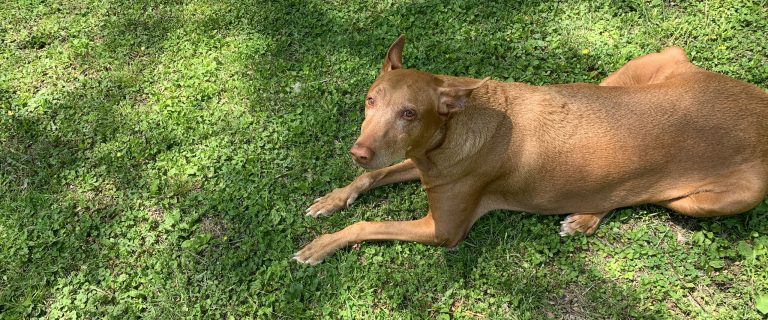
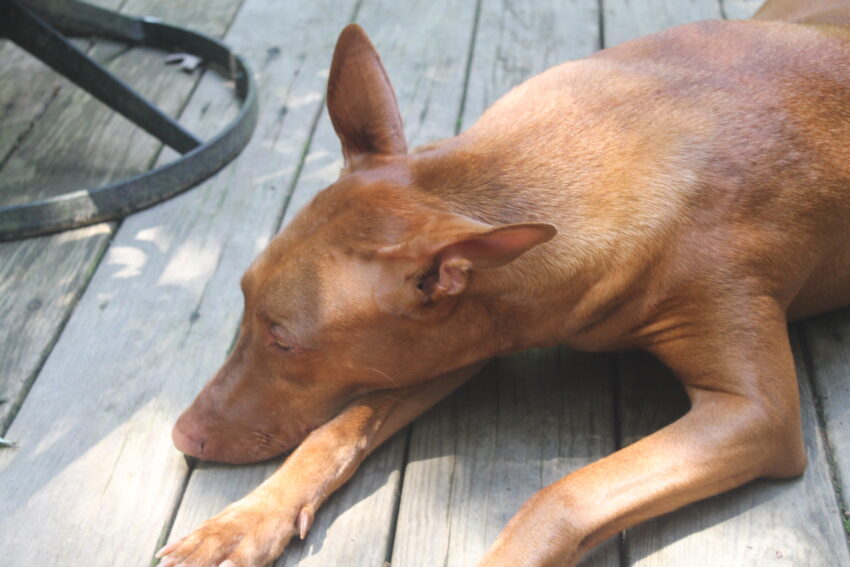
When my dog Freya collapsed for the first time, heart disease wasn’t even on my radar. I was looking at her hips. Her age. Maybe the heat. Maybe allergies. Maybe she’d overdone it chasing chipmunks (one of her favorite hobbies). Heart disease honestly wasn’t the diagnosis I expected. She’s almost 10 now, so all of those made sense as possible explanations for why she wasn’t herself on any given day.
One very long, in-depth vet visit, complete with X-rays and an ECG, later, I learned otherwise. Within seconds of hearing what had happened, my vet said, “It’s almost definitely her heart.” The x-rays and EKG confirmed that.
I also learned that living with a dog who has heart disease isn’t quite what I imagined. Before this, most of what I knew came from articles explaining symptoms, medications, and stages of disease. Those are all important, but they don’t really prepare you for what everyday life looks like.
Every dog is different, and this certainly isn’t medical advice. But if you’re just starting this journey with your own dog, here are some of the biggest lessons I’ve learned along the way.
FYI, this post does include affiliate links for products and services that I found helpful. However, the purpose of this post isn’t to try to sell you something. It’s mostly a way for me to process Freya’s heart disease diagnosis and hopefully help someone else going through the same thing. I’m a very wordy person, so I’ve bolded some of the most important points for skimmers.
Heart disease in dogs doesn’t always look the way you expect (and I should have called the vet earlier)
Looking back, I can connect some of the dots now. At the time, though, everything felt unrelated.
One day Freya seemed a little stiff getting up. Another day she had a coughing spell. She’d have a scary episode, then wake up the next morning acting perfectly normal. Some days she wanted a long walk. Other days she wanted nothing to do with it.
If you’ve ever tried putting together a thousand-piece puzzle without the picture on the box, that’s what the early days felt like.
There wasn’t just one dramatic symptom that pointed us toward her heart. It was a bunch of little changes that only started making sense once we had the diagnosis.
The problem is, when you’re looking at a lot of symptoms that seem totally unrelated and are easily explained away by age, heat, and arthritis, it’s really easy to dismiss them as just, well, that- heat, age, achy joints.
Even when she collapsed the first time, it happened right after she barked frantically at a bear on the other side of the fence while running up a hill on a hot day. Plus, she didn’t actually faint, and she got right back up. I thought it was related to her achy back leg. She just “wiped out.”
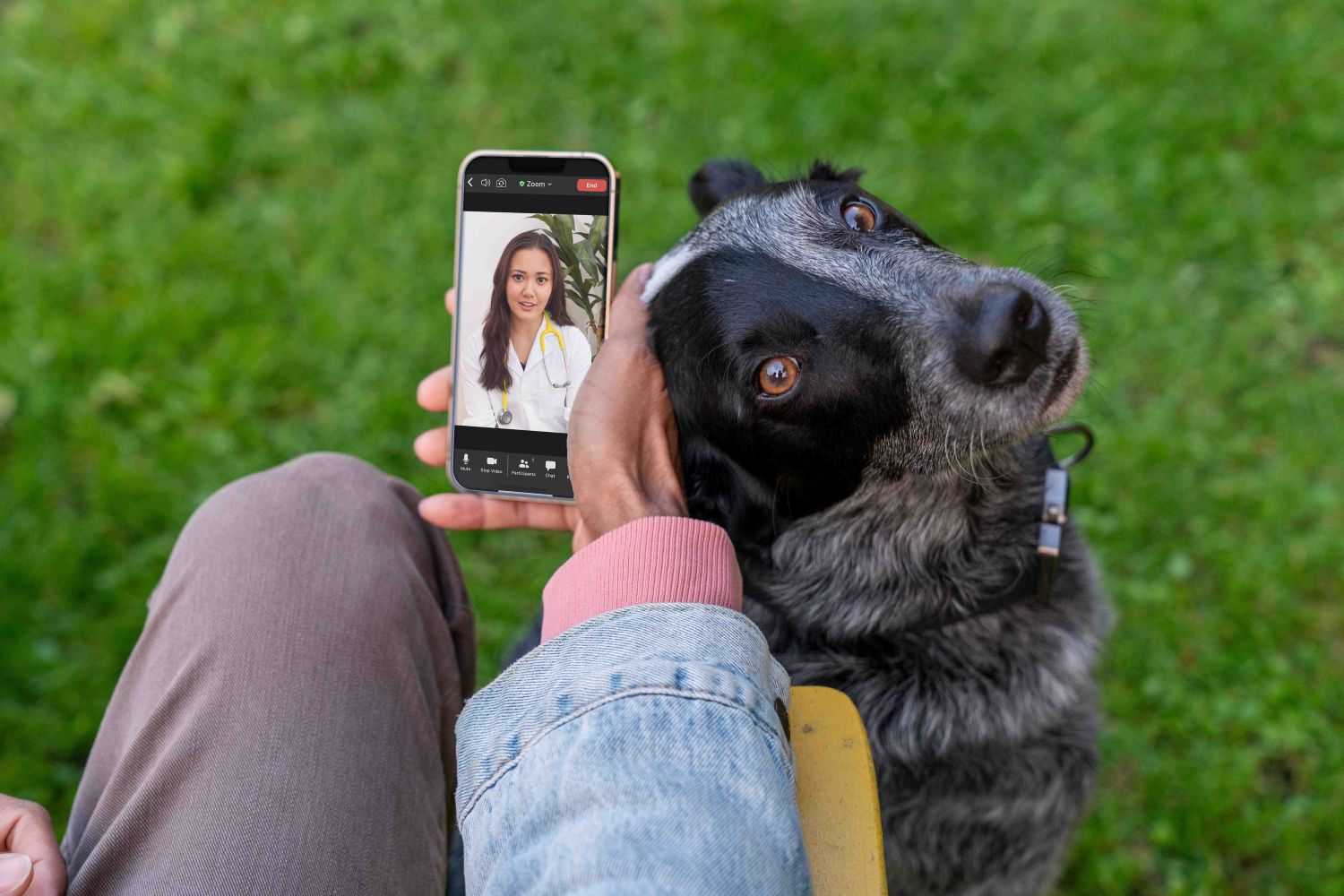
I have a Dutch membership (one of the best telehealth vets). I should have at least scheduled a virtual appointment with them to ask if this was something to worry about. If I had, I have a feeling they would have told me to call her vet asap to get her seen. My in-person vet knew within two seconds of the conversation that she likely had a heart condition.
So, if you’re still in the “could my dog have heart disease or is it something else” stage, don’t spend days trying to diagnose it through Google searches or AI chats (they’re great for follow-up questions, not replacing a veterinarian). Call your vet instead.
Or use Dutch (you get unlimited vet visits a month with it). They can’t diagnose heart disease, but they will listen to the symptoms, tell you if you need an in-person visit (which they mostly likely will). They’re also amazing for the million little quick “questions “is this normal” questions that you’ll have in the days that follow your dog’s diagnosis. Believe me, you’ll have a lot.
Dutch offers ongoing telehealth care for dogs, not just quick advice. You’ll get personalized treatment plans from licensed vets and, in many cases, prescriptions delivered to your door. Ideal for managing chronic issues like allergies, anxiety, and skin conditions without constant in-person visits.
LIMITED TIME OFFER
SAVE 32% WITH COUPON CODE TECHNOBARK32
A good pet health tracker can save your sanity
The moment your dog gets that heart disease diagnosis, you’ll find yourself watching them A LOT. Like, every second. Every nap (is she lethargic or just tired?). Every cough (are her lungs filling with fluid or did she just snort dirt up her nose?). Every time they breathe a little faster than usual (is she having a hard time breathing or just excited?). It’s exhausting.
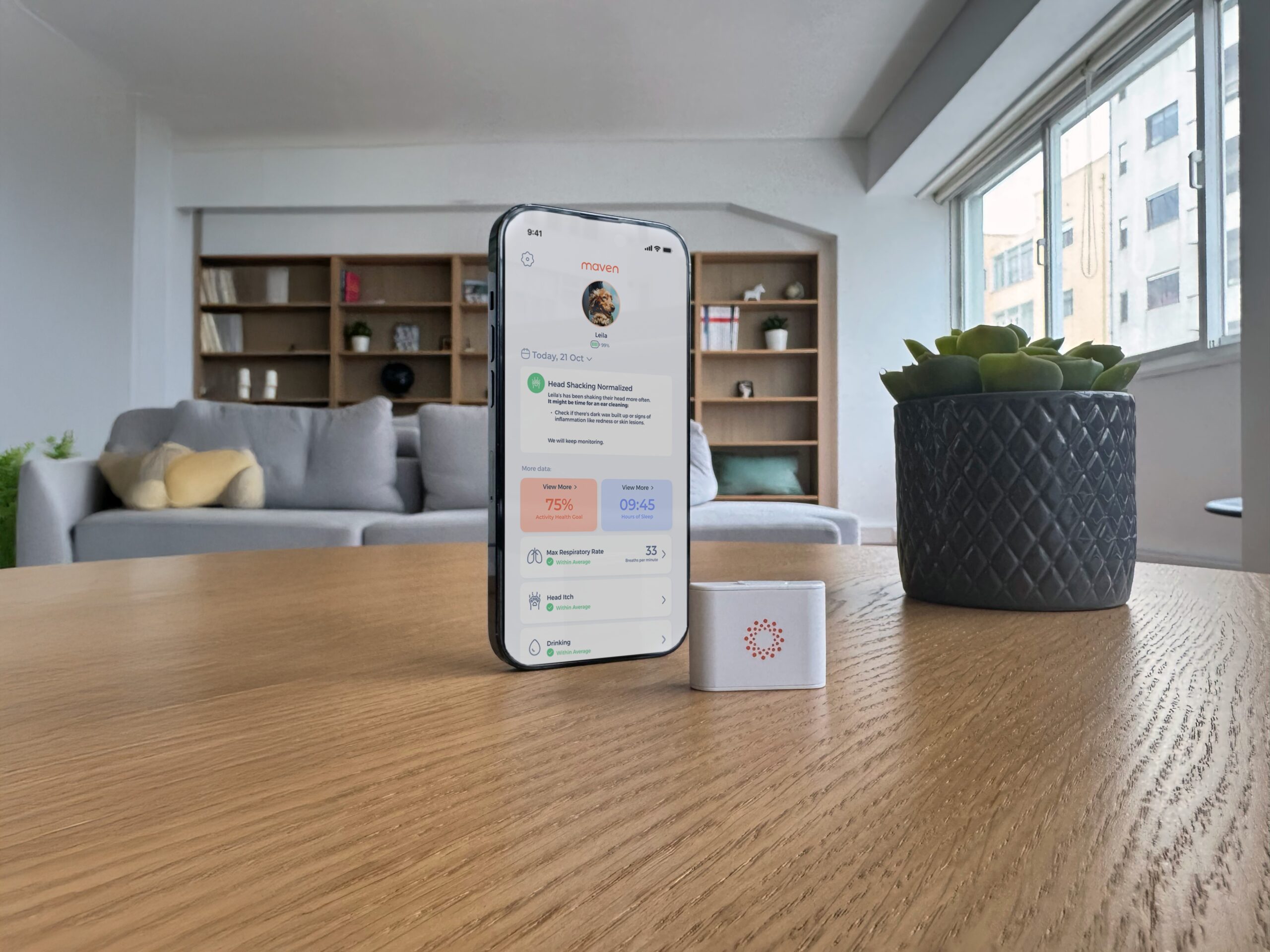
While I still check on Freya a lot more often than I used to, having a pet health tracker has made a huge difference in my peace of mind. I use the Maven Pet Health Tracker, so instead of wondering whether she’s breathing differently or if her heart is beating super-fast out of the blue, I can actually look at the data.
It doesn’t replace watching your dog, and it definitely doesn’t replace your veterinarian or veterinary cardiologist. But having objective information really helps you sort out the normal fluctuations from the “time to worry” ones. You can look at it and see, “okay, so she was breathing fast at 2PM and her heart was racing.” Then you can think, well, at that time she was racing around chasing a chipmunk and you know it’s a normal fluctuation. Or you can see that it was while she was completely asleep and call your vet.
Turn any collar into a smart health monitor. Maven tracks your dog’s heart rate, respiratory rate, activity, rest, hydration, and more—helping you catch early signs of illness before they become serious. Lightweight (just 14g), waterproof, and packed with vet-level insights, it’s like having a personal health assistant for your pup.
GUARANTEED BEST PRICE
SAVE 10% FOR LIFE WHEN YOU SHOP THROUGH OUR LINK
If your vet prescribes VetMedin, ask for the compounded pimobendan generic
FYI, compounding basically means a pharmacy custom-makes the medication into a different form or size while keeping the same active ingredient. Freya’s vet prescribed three heart meds right away: furosemide (aka Lasix, a diuretic), enalapril (for blood pressure), and VetMedin (helps pump the heart better).
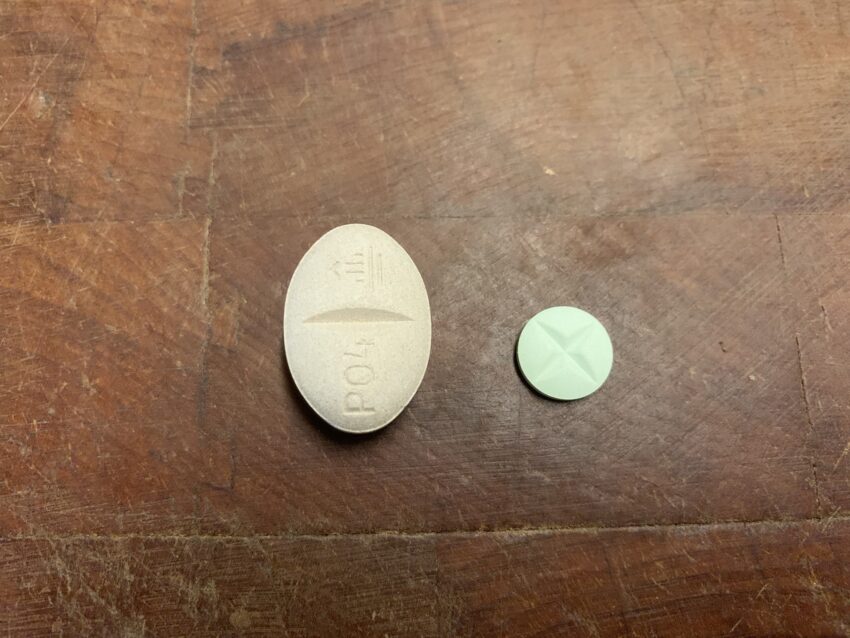
Let me tell you, while VetMedin is practically a miracle drug and I’m super grateful that it exists, it is a nightmare to get into a dog who isn’t fooled by medicine disguised as a beef-flavor treat. The 10mg dose is also the size of a small galaxy. Even the smaller doses are proportionately ginormous for the dogs they’re meant for. VetMedin, if you’re reading this, PLEASE make smaller pills. Not every dog wants to chew a planet.
Anyway, since Freya flat-out refused to take them and could smell them no matter how we disguised them, our only option was to cut them into small pieces and pill her manually with each one. So, instead of getting just three pills twice a day, she was basically getting 7.
Our vet wanted Freya on the standard tablets for about a month before switching her to the compounded version. I think it has to do with making sure it worked for her before they went through the compounding process.
We just started it a week ago and already our lives are so much easier. The compounded version is a much smaller pill. More like the size of a dime (and almost as flat). Plus, it’s A LOT cheaper. My total bill for her monthly meds went from over $250 down to $142, and that’s with her being on 20mg a day now instead of 15.
We’re currently getting it through our vet because they have their own compounding pharmacy. If you don’t have that option, though, most major online pet pharmacies have pimobendan compounds for reasonable prices.
If your dog does like the VetMedin and you’re happy with it, by all means, stick with it. It’s pricey, though, so look into a pharmacy that gives discounts on autoship. Even 5% will save you $10+ a month.
Oh, and if you are new to pilling a dog, I LOVE this video. Dr. Buzby says some really hilarious things in it, and I needed that comic relief. We had to move all the way to #5 because Freya outsmarted the first four pretty quickly, but each one did work for a day or two.
Appetite can become its own adventure. DON’T PANIC. (Also, baby food is your friend)
This may be one of the things that surprised me most. Before all of this started, Freya was picky about some things but overall she was highly food-motivated and ate a pretty good variety of foods.
Now, every day is a brand-new and not even remotely fun adventure in figuring out what she’ll eat. What she loves today, she’ll reject tomorrow, then accept it again in 5 days. There’s no rhyme or reason.
Some of that may be related to medication. Some of it may simply be part of getting older. Whatever the cause, I’ve learned to be flexible. We did try an appetite stimulant, but the problem wasn’t her appetite. It was her taste buds.
Our vet gave us good advice. Feed her what she wants (within reason, obviously) while we’re stabilizing her heart. The goal for now is making sure she’s getting enough calories to sustain her. We’ll figure out the rest later.
One thing that really works for us? Baby food. For whatever reason, even on days where Freya doesn’t want to go through the hassle of eating whole food out of a bowl she’s perfectly content to let me spoon-feed her baby food. Just make sure it’s the stage 2 stuff. The kind that is just meat + water. We buy this variety pack by Gerber.
Depending on your dog’s size, one jar doesn’t have enough calories to fill up the day, but usually the baby food kickstarts Freya’s appetite enough to get something more substantial into her.
Other things that help:
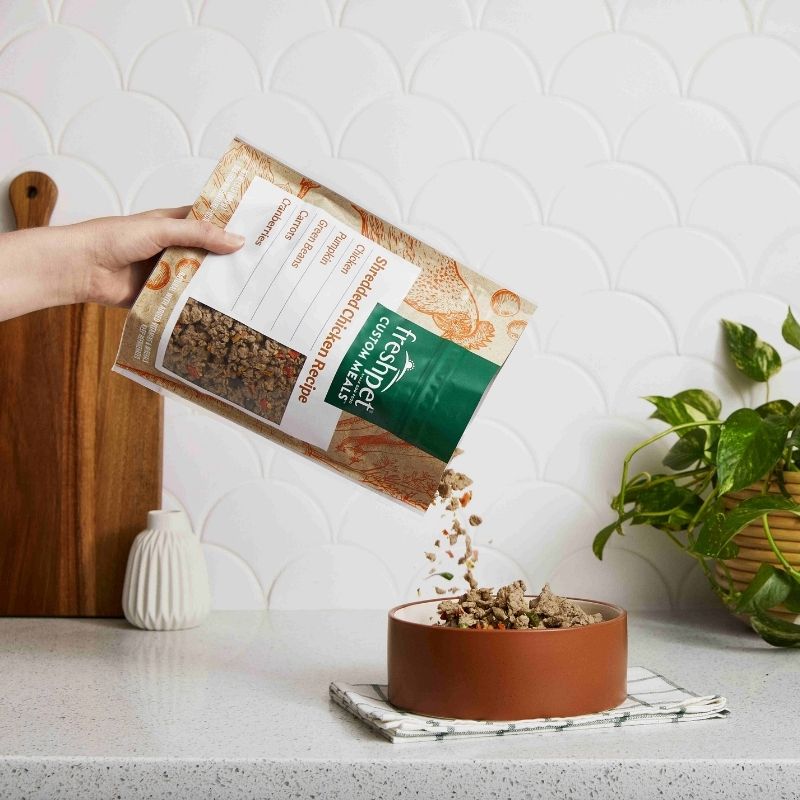
- Fresh dog food – Freya refuses her kibble entirely and is iffy on most canned foods. She does eat fresh dog food every other day though, depending on her mood. As of now, Freshpet is her favorite her favorites. We’re trying another new brand next week though, so stay tuned.
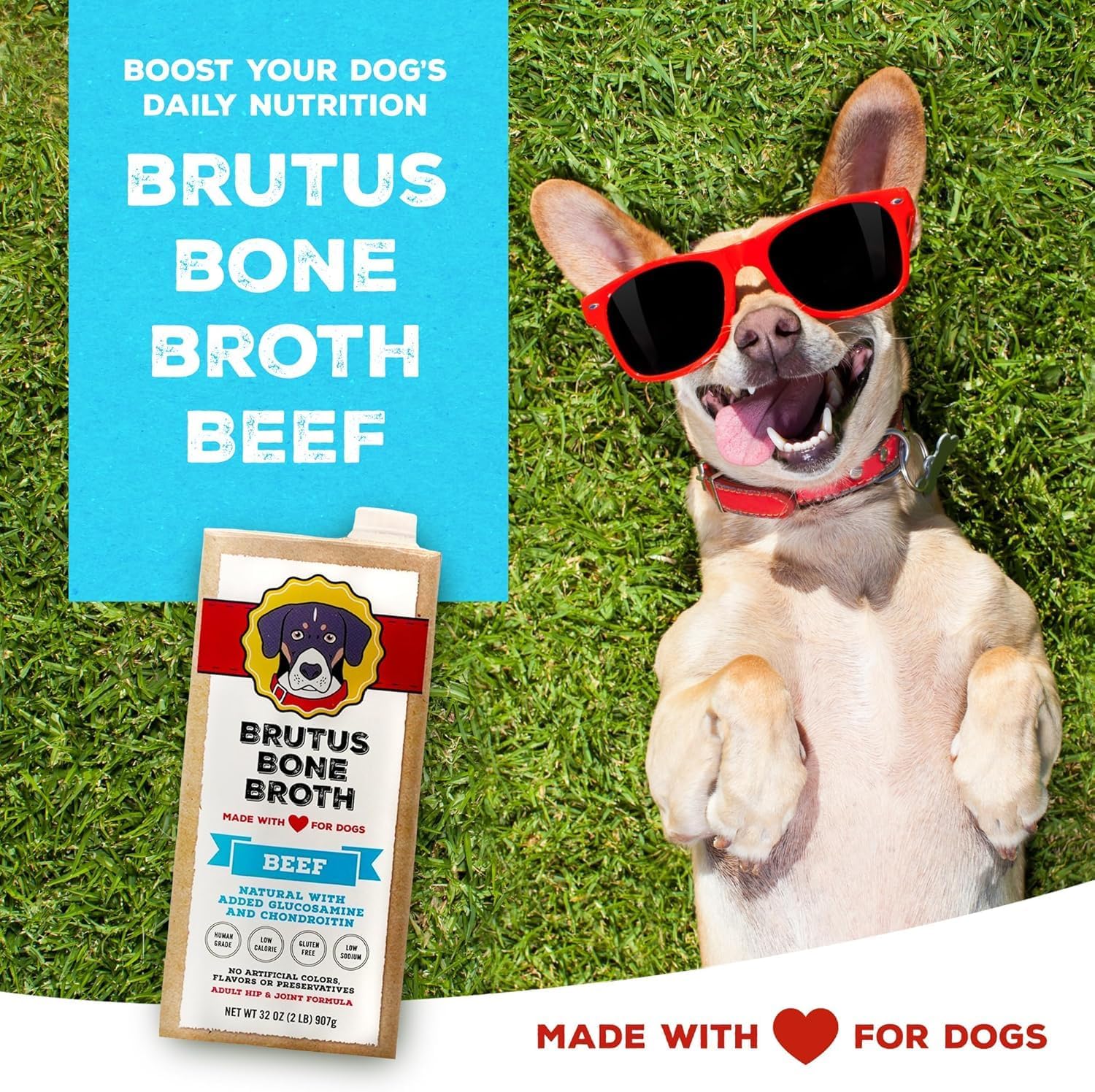
- Bone broth made for dogs -Don’t buy regular bone broth that’s made for people. It’s too high in salt and sometimes includes onions for flavor. We use Brutus Broth. It’s low-sodium and made specifically for dogs. Freya drinks it “straight” but you can use it to moisten kibble (if your dog still eats it) or just add more flavor to something else, like bland chicken.
- Changing the bowl- Freya won’t eat out of her metal dog food bowl anymore. I don’t know why. Maybe it’s because she associates it with when we were still trying to hide her pills in food? Now, we put her food on a plate. It doesn’t always work, but it works often enough to make it worth sharing.
- Grinding up kibble (hit or miss) – If, like me, you just bought a whole bag of premium kibble before your dog decided that kibble was out, this can work in a pinch. Maybe. We ground her kibble into a powder and tried mixing it into food that she likes. It doesn’t always work, but I wanted to include it as a tip because it may work for your dog.
|
Freya's Current Favorite
|
Freya's other favorite

|
Great as topper or extra hydration
|
|
Freshpet Delivery takes a familiar fresh dog food brand and turns it into a much more personalized service. Instead of figuring out portions yourself, you get a meal plan and feeding guidelines based on your dog, with fresh, gently cooked food delivered right to your door. BEST PRICE GUARANTEED SAVE 55% OFF YOUR FIRST ORDER WITH FRESHPETPPA55 |
The Farmer’s Dog is a fresh, human-grade dog food delivery service that customizes meals based on your dog’s age, breed, weight, and activity level. Made with real meat, vegetables, and essential nutrients, their vet-formulated recipes support overall health and digestion. BEST PRICE ON WEB 60% OFF YOUR FIRST BOX |
Every serving of Brutus Bone Broth for dogs is infused with Glucosamine and Chondroitin to support healthy hips and joints in all dogs including puppies and older dogs. Available in multiple flavors, including a plant-based recipe. |
Freshpet Delivery takes a familiar fresh dog food brand and turns it into a much more personalized service. Instead of figuring out portions yourself, you get a meal plan and feeding guidelines based on your dog, with fresh, gently cooked food delivered right to your door.
BEST PRICE GUARANTEED
SAVE 55% OFF YOUR FIRST ORDER WITH FRESHPETPPA55
The Farmer’s Dog is a fresh, human-grade dog food delivery service that customizes meals based on your dog’s age, breed, weight, and activity level. Made with real meat, vegetables, and essential nutrients, their vet-formulated recipes support overall health and digestion.
BEST PRICE ON WEB
60% OFF YOUR FIRST BOX
Every serving of Brutus Bone Broth for dogs is infused with Glucosamine and Chondroitin to support healthy hips and joints in all dogs including puppies and older dogs. Available in multiple flavors, including a plant-based recipe.
Supplements can help fill nutritional gaps on off days (but talk to your vet first and read labels closely)
On days when your dog doesn’t have much of an appetite, a high-quality multivitamin or whole-food topper can be a nice way to help fill in some nutritional gaps. It can also give you a little peace of mind when your dog decides that today’s menu consists of three bites of breakfast and a spoonful of baby food.
If your dog is at the point where they’re refusing multivitamins in treat form, toppers and powders like Fera Pets Whole Food Multivitamin Topper make your life A LOT easier. You can mix it into whatever food they’ll actually eat.
Packed with a blend of fruits, vegetables and organ meats, this supplement provides vital whole foods for whole body health. Whether you are feeding dry kibble, wet food, fresh or raw food, Fera’s Whole Food Multivitamin is a blend of nutrients designed to complement any diet.

Here’s the important part, though: you have to be a lot more careful with supplements than before and really read every label.
Many supplements contain herbs or ingredients that are perfectly safe for healthy dogs but may not be appropriate for dogs with heart conditions or those taking heart medications. Others can be very high in sodium, which generally isn’t something you want to add to the diet of a dog with heart disease.
I run everything by Freya’s vet (or set up a call with a Dutch vet, which is usually faster since my vet clinic is insanely busy) before adding it to her routine. It might be overly cautious, but I’d much rather ask one extra question than accidentally create a problem by assuming that “natural” automatically means safe.
Oh, one last note- you may be thinking ” maybe I should get my dog some cardiac support vitamins.” I thought the same thing. My vet said no, though. The reason is because those are designed to help prevent heart disease in dogs that are prone to it, or who are borderline and not on medication yet. Most of them include ingredients that can help lower your dog’s blood pressure. You do not want that when they’re already on a BP med because it increases the risk of their pressure bottoming out.
You’ll become a pro at counting RRR. You’ll also learn what that stands for very quickly.
RRR stands for resting respiratory rate, and if you didn’t know that don’t feel bad. I didn’t either, and I was a nursing student (for people) once upon a time.
So, here’s the rundown. Your dog’s resting respiratory rate is exactly what it sounds like: how many breaths they take while they’re completely asleep. That part is important. You don’t want to do it when they’re awake and alert or even resting but alert.
To measure it, watch your dog’s chest rise and fall. One rise and one fall equals one breath. Count the number of breaths they take in 30 seconds, then multiply by two to get their breaths per minute. You can also count for a full 60 seconds if that’s easier. Once you know your dog’s normal rate, you can even count for 15 seconds and multiply by four. I use the timer on my phone because it’s hard to count your dog’s breaths and pay attention to the clock.
The reason you count it while they’re asleep is because it’s one of the most consistent ways to see how hard they’re working to breathe. Exercise, excitement, hot weather, barking at squirrels, and so on increase your dog’s breathing rate. When they’re sound asleep, those outside factors are mostly out of the picture.
For most healthy dogs, a sleeping respiratory rate of fewer than 30 breaths per minute is considered normal, although many dogs are comfortably in the teens or low 20s. Your veterinarian or veterinary cardiologist may give you a different threshold based on your dog’s specific condition, so always follow their guidance.
This is a great video explainer if you’re more of a “show me, don’t tell me” learner.
One thing I learned the hard way is not to panic over a single number. Trends matter far more than one random reading. For example, Freya has had readings over 30 because even though she looked like she was sleeping, it was thundering out and she was worked up.
If your dog’s normal sleeping respiratory rate has been around 18 or 20 for weeks and suddenly starts creeping into the high 20s or low 30s for several days in a row, that’s worth mentioning to your vet. Keeping a simple log makes it much easier to spot those changes before they become obvious in other ways.
Even if you use a health tracker like Maven that counts for you, you’ll still want to get in the habit of doing a manual count at least once a day.
Every cough doesn’t automatically mean the worst (but also don’t assume it’s nothing)
Early on after her diagnosis, every cough sent my anxiety into overdrive. Was fluid building up? Was her heart getting worse? Did we need an emergency vet?
Over time, I remembered something that I already knew. Dogs cough for lots of reasons. Excitement, allergies, snorting dirt up their nose while sniffing around for the chipmunk they are 100% sure they just saw run under the deck even though you saw it run up a tree. Even something as simple as drinking water too quickly.
That doesn’t mean coughing should ever be ignored, especially if it’s new, worsening, or accompanied by difficulty breathing. But I’ve learned there’s a difference between staying observant and assuming every cough means disaster.
Stop comparing your dog post-diagnosis to your dog pre-diagnosis. You will drive yourself crazy.
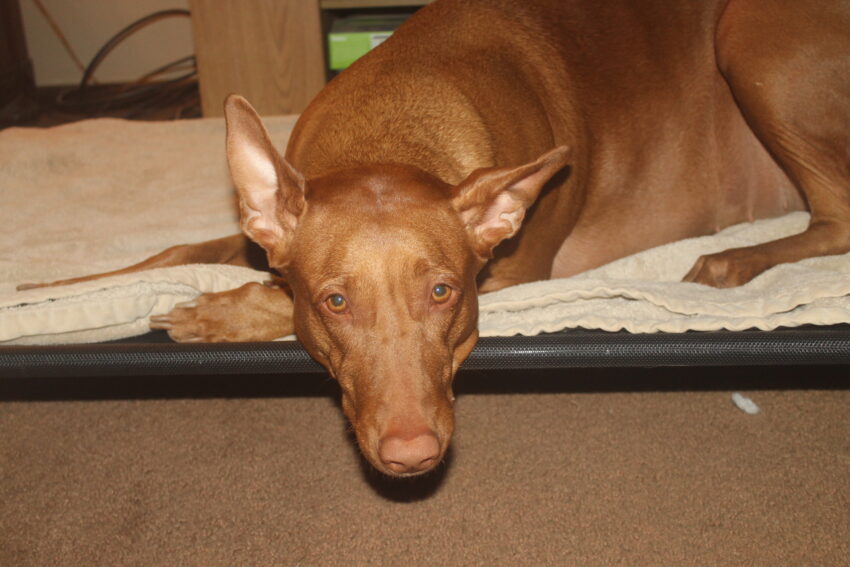
Freya’s heart condition came on oddly fast. So for us, one day she was still our crazy-Freyzie running around chasing chipmunks, stealing fresh green beans from the garden, begging for the last bite of my chicken dinner, and yelling at us when we were 5 minutes late with one of her training games. Then the next, she was sleeping all day, not eating, and showing zero interest in her favorite games, and just not acting like Freya.
The medications have brought her to a middle ground. A new normal. I hate that phrase (it’s totally overused and rarely in a happy context), but that’s exactly what it is.
She has days where she’s really close to her old self. Today, in fact, she’s driving me batty because she wants to hunt Mr. Chippy Chipper every minute (who is STILL not under the deck, by the way, despite her insistence), and it’s too muggy out. Humidity isn’t great for her right now.
Tomorrow, she may have a stomachache (the meds can cause that in some dogs, and Freya is “some dog”) and not want to do much of anything. She doesn’t ask to play her training games the way she used to, but she does still want mental stimulation in other ways. She can’t always go for the long walk to the lake, but she does like me to walk around the yard with her or take her out front for a bit.
She’s probably never going to be the same dog that she was just a few months ago. Then again, she’s almost 10, so she probably would have started slowing down in other ways even without the heart disease diagnosis. The goal isn’t to get my old dog back; it’s giving the dog I have today the best quality of life possible. As long as she’s happy and comfortable, I’ll take whatever new normal she throws at me.
Final thoughts
If you’re reading this because your own dog was recently diagnosed with heart disease, I know how overwhelming those first days can feel. But here’s the encouraging part: a heart disease diagnosis doesn’t mean the joyful moments disappear.
Freya still enjoys exploring the backyard. She still insists on investigating every interesting smell on our walks. She still thinks chipmunks are public enemy number one.
Our lives have changed, but they haven’t stopped. We’re still adapting. But the good news is that many, many dogs go on to live full lives with heart disease once they’re on the right meds. So, while I cried hysterically when I found out and for a week afterward, I’m choosing to focus on that hope instead of everything that has changed.