What Causes a Bloated Puppy Belly?
Not all bloated puppy bellies mean an emergency, but every single one deserves attention. Let’s break down the most common causes—ranging from totally treatable to potentially serious.
1. He’s Too Young for His Food
If your puppy just came home and already looks swollen, age might be the problem—especially if they’re under 8 weeks.
Breeders are supposed to wait until 8 weeks before sending pups home, but unfortunately, some rush the process. A 6- or 7-week-old puppy may struggle to digest dry kibble, leading to bloating, gas, and discomfort.
Pro Tip: Soften your puppy’s food with warm water or puppy-safe broth until they’re able to handle solid kibble with ease.
2. Intestinal Worms Are Incredibly Common
Most puppies are born with or acquire roundworms, even if the mother was dewormed.
These belly bugs can cause:
- Pot-bellied appearance
- Gas or diarrhea
- Poor weight gain despite a healthy appetite
Vet Tip:
Worms are so common that most vets automatically deworm new puppies. Still, it’s important to get a stool sample tested so your vet knows exactly what type they’re dealing with.
3. Overeating or Eating Too Fast
Is your puppy’s belly bloated after eating? If yes, they may be inhaling food way too fast—or simply eating too much.
Fast eaters are more likely to:
- Swallow excess air (a leading cause of dangerous bloat)
- Get painfully overfull
- Throw up food soon after eating
Pro Tip: Invest in a slow feeder bowl or better yet, a smart automatic feeder that dispenses smaller portions on a timed schedule. These can help prevent both overeating and frantic gulping, especially if you have a food-obsessed puppy.
⚠ Heads-up: Skip the elevated bowls. While they may look helpful, they could increase bloat risk in some breeds.
4. Something More Serious Could Be Going On
If your puppy is:
- Lethargic
- Panting or drooling heavily
- Trying to vomit but nothing comes up
…it could be a sign of gastric dilation-volvulus (GDV) or another serious condition like fluid buildup, organ enlargement, or congenital issues.
Vet Tip: These symptoms should never be ignored. GDV can be fatal in a matter of hours. If your puppy seems “off” in any way along with bloating, call your vet immediately.
When Is Puppy Bloat an Emergency?
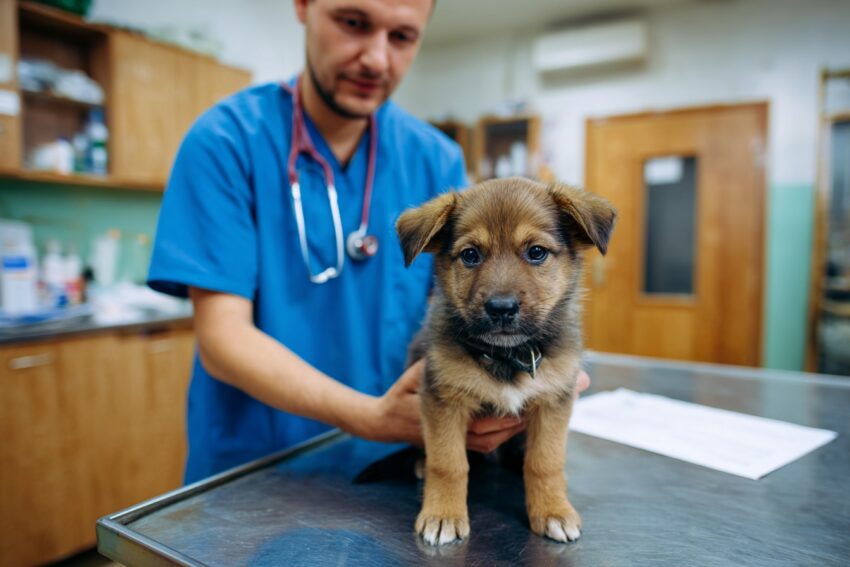
Some bloated bellies are just full of food or worms—but true bloat (gastric dilation-volvulus or GDV) is a life-threatening condition that can kill in a matter of hours.
Knowing the signs could save your puppy’s life.
Red Flags That Mean “Call the Vet Now”
If your puppy has any of the following, don’t wait:
- Distended, hard belly
- Retching or vomiting (especially if nothing comes up)
- Heavy drooling or panting
- Restlessness or pacing
- Sudden collapse or extreme lethargy
- Cold paws, pale gums, or rapid heartbeat
These symptoms signal that the stomach might be filling with air—and worse, twisting on itself, which cuts off blood supply. That’s GDV, and it’s an emergency.
Here’s the deal: A puppy with GDV won’t “sleep it off.” This isn’t gas or indigestion—it’s a rapidly escalating crisis. There’s no home remedy. Only a vet can decompress the stomach or perform emergency surgery.
Why There Are No Safe Home Remedies for Bloat
We know how tempting it is to Google a quick fix—especially if your puppy seems uncomfortable but not in obvious distress. But when it comes to true bloat, trying to “wait and see” or DIY a solution can be deadly.
Why You Can’t Treat Bloat at Home
- You can’t release the trapped gas without medical tools.
- The twist in the stomach (if present) cuts off blood flow—this requires surgery.
- Even if the stomach hasn’t twisted yet, it can at any moment.
- Giving water or walking your pup might actually make it worse.
The harsh truth? Even websites that promote natural pet remedies will tell you: there is no safe home treatment for bloat. This is a vet-only situation, always.
What a Vet Can Do (That You Can’t):
- Insert a tube to release pressure
- Administer IV fluids and pain relief
- Perform emergency surgery (if twisting has occurred)
- Monitor your pup’s heart and oxygen levels
Vet Tip: The only “home remedy” is prevention. And that starts with smarter feeding habits and knowing the early warning signs.
How to Help Prevent Bloat in Puppies
While not all cases of puppy bloat are avoidable, many are preventable with just a few simple habits. Prevention matters most when your dog is a deep-chested breed, a fast eater, or just generally food-obsessed (hi, Labradors).
Top Ways to Help Prevent Bloat:
- Feed smaller meals more frequently — Instead of two big meals, split them into three or four.
- Avoid intense exercise right after eating — Give your pup time to digest before zoomies.
- Keep your puppy calm during and after meals — Stress can contribute to gulping.
- Skip elevated bowls unless advised by your vet — They may actually increase the risk of bloat in some breeds.
- Use slow-feeding tools like puzzle bowls, or automatic feeders to control portion size and speed.
Why Automatic Feeders Help
Automatic feeders aren’t just for convenience—they’re also great bloat prevention tools.
They allow you to:
- Control exactly how much your puppy eats
- Set timed feedings to avoid overfeeding
- Slow down scarfing by releasing food gradually
If your pup eats like it’s a race, an automatic feeder may be one of the smartest purchases you make.
Best Automatic Feeders to Help Prevent Puppy Bloat
If your puppy gobbles food like it’s a race, an automatic feeder can be a game-changer—both for slowing them down and for keeping their digestion safe and steady.
Here are three top-rated options that help control portions, reduce gulping, and make feeding schedules stress-free (for both of you):
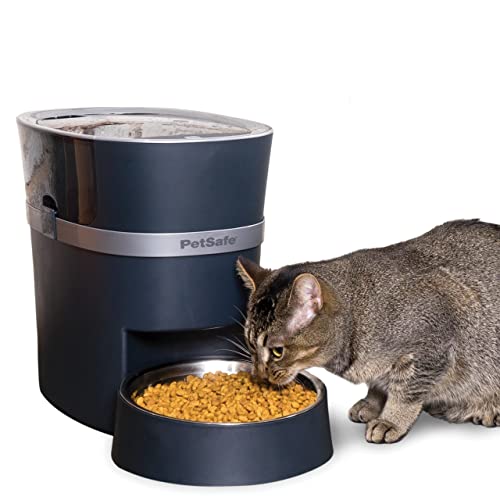
PetSafe Smart Feed Automatic Dog and Cat Feeder
- Trusted, award-winning brand with Wi-Fi control.
- Dispenses dry or soft food in set portions at timed intervals.
- Best for: Busy families or working pet parents who want full remote control.
With a 24-cup capacity, you won’t have to refill the feeder after every meal. This pet feeder can dispense dry and semi-moist pet food thanks to the unique design of the conveyor that helps prevent food jams. This feeder also has low and empty food sensors, which will notify your smartphone when the pet feeder is running low or out of kibble. The Smart Feed Automatic Pet Feeder is compatible with Amazon Dash Replenishment to save you a trip to the store. With Amazon Dash Replenishment, the feeder will automatically reorder your pet’s food when it senses it’s low.
⭐ GUARANTEED BEST PRICE ⭐
USE COUPON CODE TECHNO10 AT CHECKOUT TO GET $10 OFF
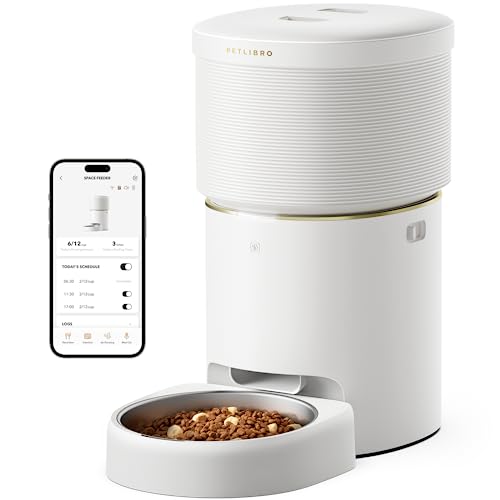
PETLIBRO SPACE Automatic Pet Feeders
- Uses vacuum-sealing to keep food fresh and safe from pathogens.
- Large capacity (holds up to 7 pounds of food).
- Best for: Puppy homes with high-tech needs and big appetites.
The PetLibro Space automatic pet feeder uses vacuum-sealing technology to against harmful pathogens. Large 34-cup food tank holds up to 7 pounds of pet food.
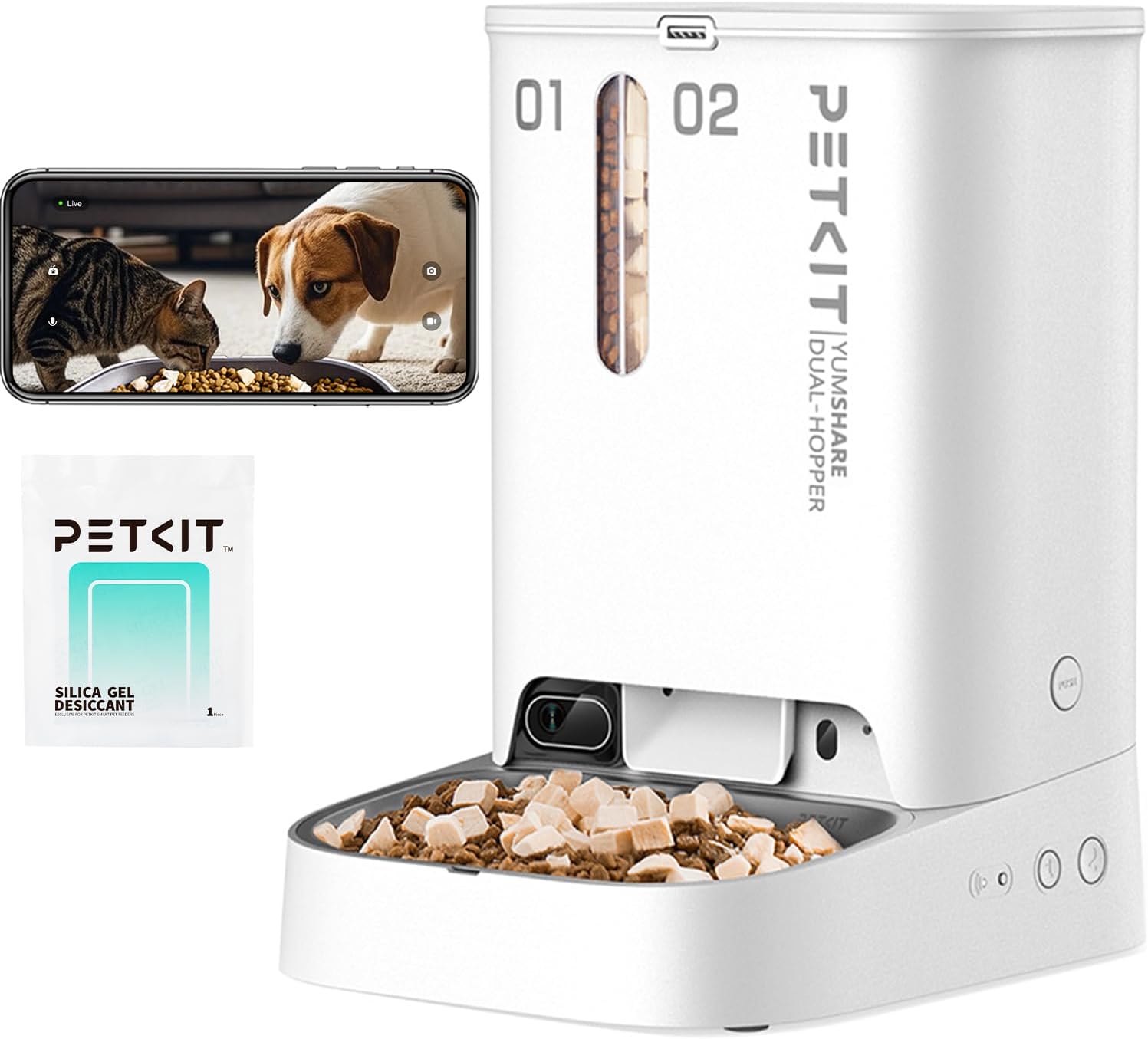
PETKIT Automatic Double Hopper Pet Feeder with Camera
- 1080P HD camera with night vision
- AI-powered recording captures daily moments
- Smart app for custom feeding schedules
- Two-way audio & meal call function
Featuring a 1080P HD camera with night vision and a 140° wide angle, it lets you watch, talk to, and feed your pets from anywhere. The AI-powered camera captures adorable highlights throughout the day, while the PETKIT app gives you total control—set feeding schedules, manage portions, and even record custom meal calls. With secure cloud storage, two-way audio, and privacy settings, it’s smart feeding made easy, fun, and safe.
Frequently Asked Questions About Puppy Bloat

How do I know if my puppy is bloated?
Can bloat go away on its own?
What if my puppy is bloated but acting normal?
Does bloat always mean the stomach has twisted?
Can I treat puppy bloat at home?
Final Thoughts: Trust Your Gut—And Your Vet
If your puppy’s belly looks bloated, don’t brush it off. Whether it’s worms, food, or something more serious, your vet is the only one who can say for sure—and timing matters.
Even if it turns out to be nothing? You’ll never regret acting fast to protect your pup.
Because here’s the truth: You’re not just a dog owner. You’re their entire world. And being cautious isn’t overreacting—it’s love in action.