

If you’re wondering how to train your dog to stay in the yard, especially if you don’t have a physical fence, you’re in the right place. We’re diving into real, actionable strategies to help your dog learn where their boundaries are—and actually respect them.
Why Dogs Leave the Yard in the First Place
Before we get into the “how,” it helps to understand the “why.” Dogs don’t typically run off just to be rebellious (even if it feels that way). Common reasons dogs stray from the yard include:
- Boredom: A dog with too much energy and not enough stimulation may seek excitement beyond the boundaries.
- Lack of training: If you haven’t taught your dog where the yard ends, they don’t know the rules.
- Prey drive: Squirrels, rabbits, or even birds can trigger a chase response.
- Separation anxiety or social urges: Some dogs go looking for their people—or the neighbor’s dog.
- Environmental triggers: Loud noises, new smells, or other unexpected events can cause a dog to bolt.
Step-by-Step: How to Train Your Dog to Stay in the Yard
Training your dog to stay in the yard is a process, but with consistency and patience, it’s absolutely doable—even without a traditional fence.
1. Define the Boundary
Dogs don’t naturally know where your property begins and ends. You’ll need to teach them.
- Walk your dog along the yard’s perimeter multiple times a day.
- Use verbal cues like “stay in the yard” or “back” consistently when they approach the edge.
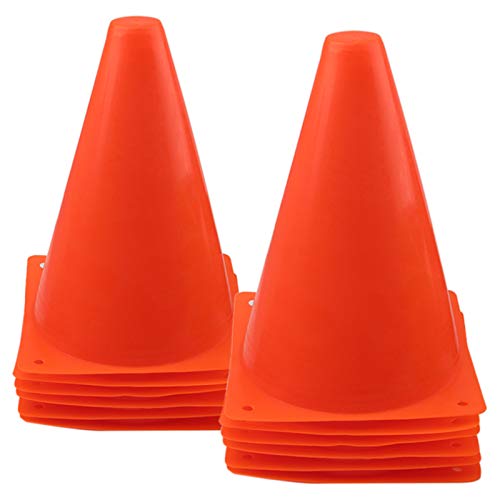
- You can use flags, cones (like the set below), or natural markers (like bushes or rocks) to help visually define the line.
These 7" traffic cones are perfect for sports training or outdoor dog games. They're designed for use on any surface - grass, concrete, gym floors, cement, and more. Plus, at 7.0" height x 5.31" diameter, 0.10 lb weight, they're easy to take anywhere.
2. Leash Training Comes First
Start with your dog on a leash or long line so you have full control during the early stages of training.
- Use the leash to guide them back into the yard if they cross the boundary.
- Praise and reward them with treats or playtime when they stay within the zone.
- Keep these sessions short, upbeat, and frequent.
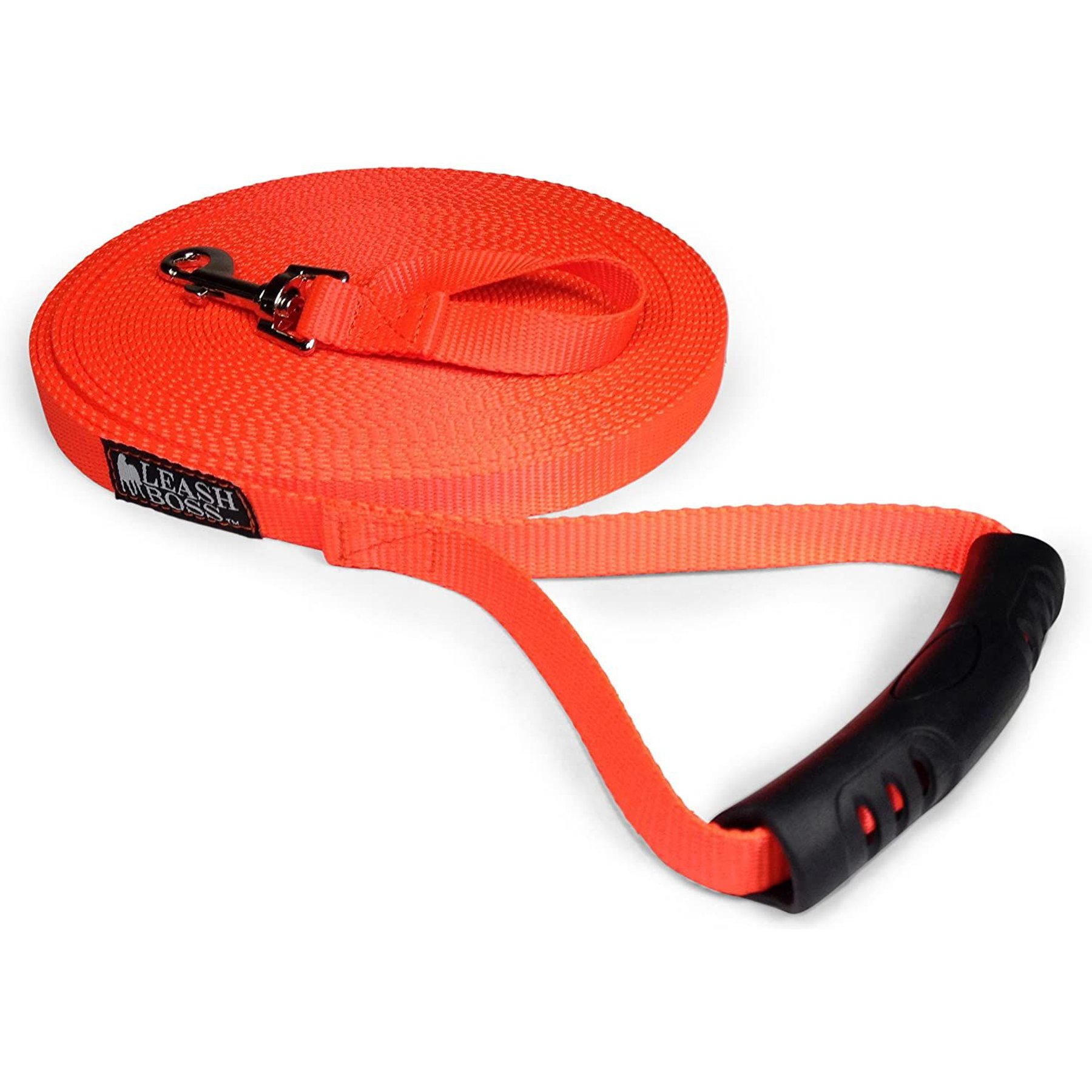
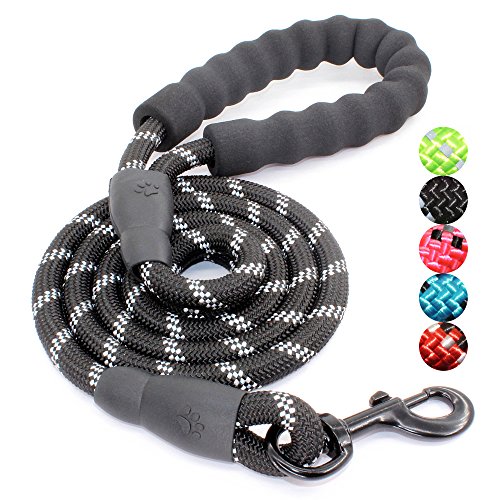
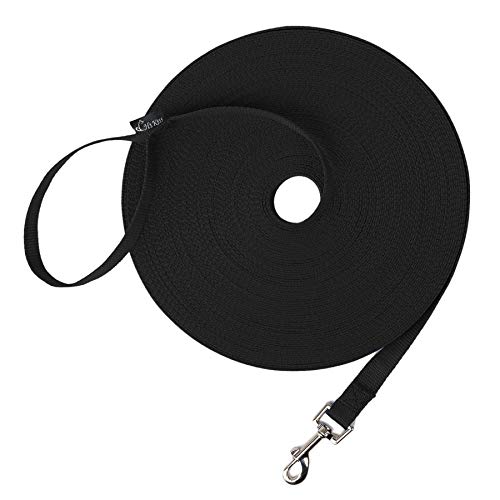
Here are a few leashes that we love:
|
|
|
Check out our guide to How To Leash Train A Dog The Right Way for more tips.
3. Add Distractions Gradually
Once your dog has a good grasp of the boundary, it’s time to test their impulse control.
- Introduce distractions: toss a ball outside the boundary, have a friend walk by with a dog, or play sounds from a phone.
- Use your chosen cue (“stay in the yard”) and reward them when they resist temptation.
- If they cross the boundary, calmly lead them back without punishment. Reward only when they make the right choice.
4. Practice Off-Leash in a Controlled Setting
When your dog consistently respects the boundaries on a leash, try letting them off-leash—but only when you’re present and in a fully supervised, distraction-free environment.
- This helps build trust and reinforces that the rules still apply off-leash.
- Consider using a long training lead just in case, especially for high-energy or stubborn dogs.
Tips for Success
- Be consistent: Don’t let things slide “just this once.” Mixed messages confuse your dog.
- Use positive reinforcement: Praise and rewards build a stronger bond—and better behavior.
- Exercise matters: A tired dog is a content dog. Regular walks, playtime, and mental stimulation reduce the urge to wander.
- Supervise outdoor time: Especially in the beginning. If your dog starts to see unsupervised yard time as “free for all,” the training won’t stick.
- Don’t punish for crossing boundaries: This can create fear or confusion. Instead, guide them back and reward correct behavior.
Troubleshooting Common Challenges
What if my dog just doesn’t care about boundaries?
You may need to go back a step in training. Use a long leash again and increase the value of your rewards.
My dog bolts at the first sign of a squirrel. Now what?
Try building a stronger recall first. Work on a solid “come” command before reintroducing boundary training.
I have a rescue dog who’s nervous outdoors.
Take things slow. Some rescue dogs need extra time to feel safe in a new space before learning boundaries.
My dog listens when I’m outside, but not when alone.
This is super common! Consider pairing training with a GPS collar to keep your pup safely contained while you continue building trust.
GPS Dog Fence Collars: A Smart Backup Plan
Even with the best training, accidents happen. That’s where GPS dog fence collars come in handy.
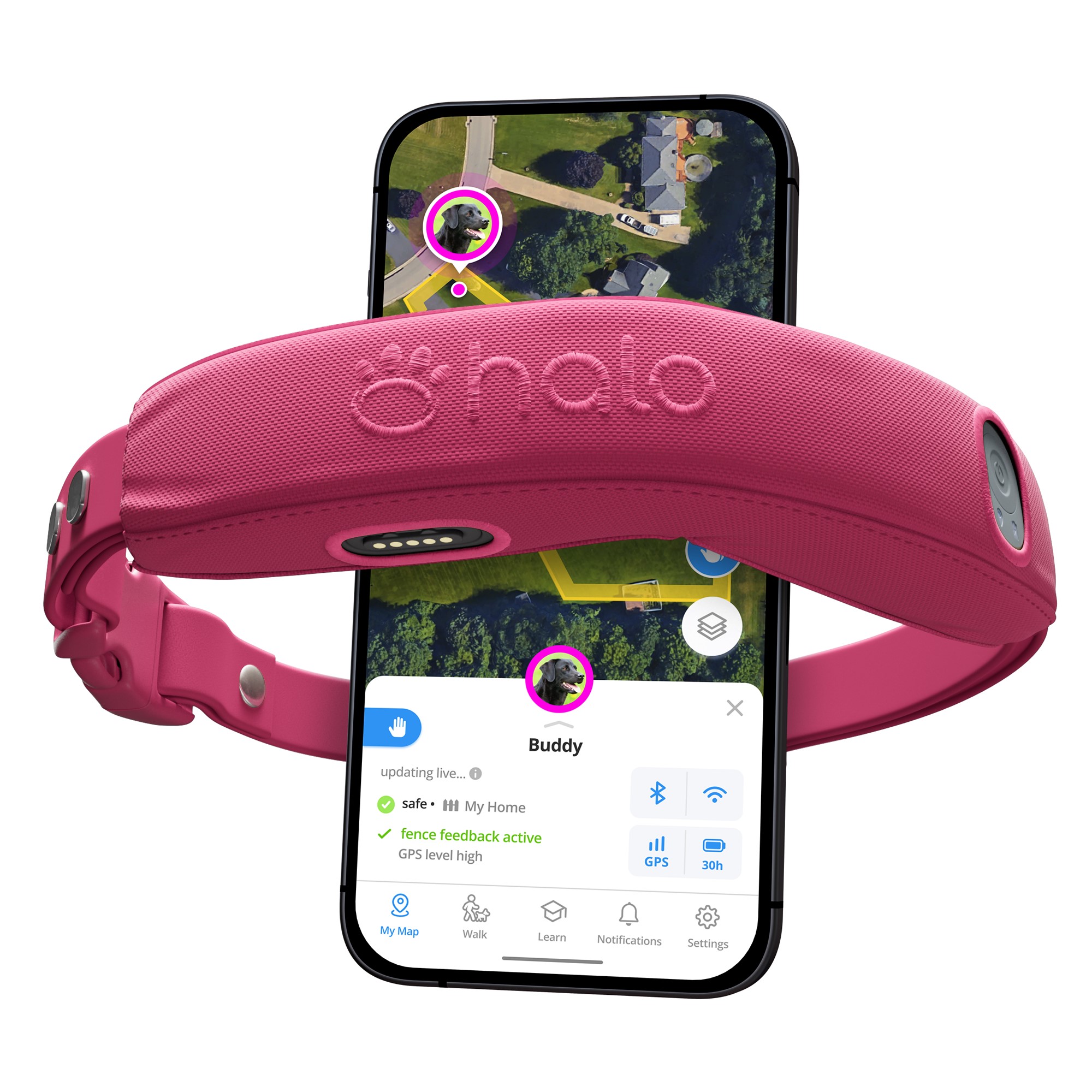
These smart collars allow you to set virtual boundaries—no digging, no wires. If your pup tries to leave the safe zone, the collar gently alerts them and you, giving you peace of mind even when you’re not right there watching.
While GPS collars aren’t a replacement for training, they make a fantastic backup safety net and help reinforce the training you’re already doing. There are a bunch of different options in just about every price range, but our favorite is the Halo Collar 4.
Marketed as the most accurate GPS dog fence available, the Halo Collar 5 lets you create, edit, and store unlimited fences (starting at 30 x 30 feet). It fits dogs with neck sizes from 8–30.5 inches. Beyond containment, it offers near pin-point GPS tracking to help locate lost dogs quickly, along with built-in training tools and activity monitoring—all in one collar.
Top Features:
- 48-hour battery life
- AlwaysOn™ GPS
- Real-time tracking
- All-carrier cellular coverage worldwide.
BEST PRICE GUARANTEED
Save $125 on Halo Collar 5
*Based on new low price + our $50 exclusive discount. Extra discount applied at checkout.
Final Thoughts
Training your dog to stay in the yard takes time and commitment—but it’s well worth it. A well-trained dog gets more freedom, and you get more peace of mind.
Whether you’re working with a puppy, a rescue, or an older dog who’s a little too adventurous for your liking, remember: boundaries can be taught. And when paired with modern tools like GPS dog fences, you’ll have both the training and tech to keep your furry best friend safe and sound.