If you’ve ever tried to teach your dog something—anything—you already know this truth: some dogs will work for praise, some will work for toys, and some will only work for cheese. Glorious, magical cheese.
But is reward-based training (also called positive reinforcement training) actually right for your dog? The short answer: for most dogs, yes. The longer answer: let’s dig into what reward training really looks like, what makes it so effective, and how to use it in a real home with real-life distractions (looking at you, Amazon delivery drivers).
This guide breaks everything down in a friendly, practical way so you can decide whether this approach fits your dog’s personality—and your own training style.
What Exactly Is Reward Training?
Reward training is a science-backed training method that focuses on reinforcing behaviors you want rather than punishing behaviors you don’t. Think of it as teaching your dog that good choices pay off—and they pay off well.
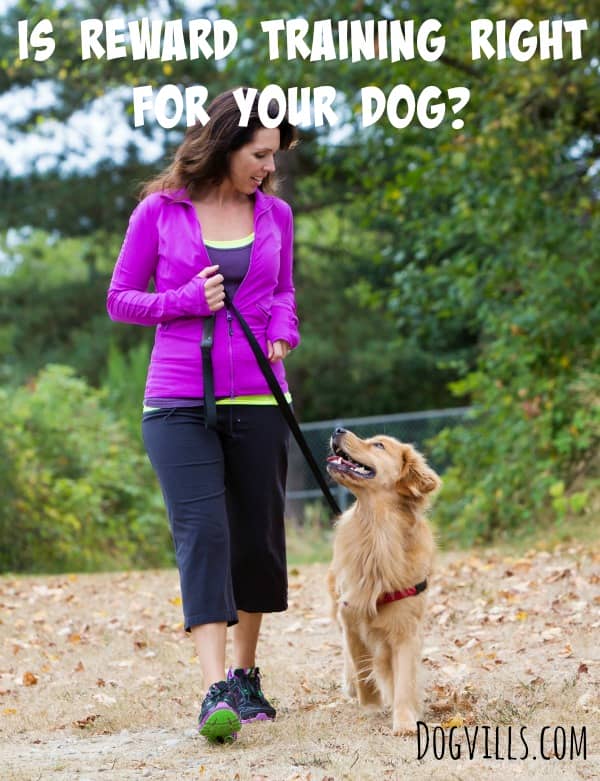
When your dog sits, comes when called, or drops your sock instead of playing “catch me if you can,” you reward the behavior you want to see more of. Rewards can be:
- Treats (the classic)
- Praise
- Toys
- Playtime
- Life rewards—like being allowed on the couch, going outside, or greeting a friend
Dogs repeat what works for them. Reward training uses that natural tendency to your advantage.
Why Reward Training Works (Even for Stubborn Dogs)
Positive reinforcement isn’t just a feel-good method—it’s rooted in how animals learn. Behavior that leads to something positive becomes more likely to happen again.
Here’s why it’s so powerful:
1. Dogs learn faster when they aren’t stressed
Imagine trying to learn algebra while someone yells at you. Not fun, right? Dogs feel the same. When training feels safe and pleasant, their brains literally process information better.
2. It creates a deeper bond
Your dog learns that listening to you = good things happen. This strengthens trust, communication, and your overall relationship.
3. It reduces problem behaviors instead of escalating them
Reward training teaches alternatives. Instead of barking, chewing, or jumping, your dog learns something else to do—something that pays off.
4. It works for every age, breed, and personality
From nervous rescues to spicy herding breeds to senior dogs learning new tricks, reward training can be tailored to fit.
Is Reward Training Right for Your Dog?
Let’s break this into the practical stuff that pet parents really need to consider.
⭐ Yes, reward training is probably a great fit if your dog:
- Loves food (so… 98% of dogs)
- Gets easily discouraged or anxious by correction
- Is highly energetic and needs clear guidance
- Is a puppy, a rescue, or brand new to training
- Responds well to praise or attention
- Needs motivation to stay focused indoors
⚠️ Reward training still works for these dogs too, but may need tweaks:
- Super independent dogs who pretend they can’t hear you (hello, sighthounds)
- Dogs with fear-based reactivity, who may need a structured desensitization plan
- Working breeds who get bored quickly—these dogs may prefer toy or play rewards over treats
- Dogs who are over-the-top food motivated—you may need low-calorie treats, smaller pieces, or a “calm before reward” rule so they don’t turn into pogo sticks
❌ When reward training needs professional support:
Positive reinforcement is still the foundation, but you may want a trainer to help you if:
- Your dog shows aggression (lunging, biting, guarding)
- Your dog shuts down easily or seems unusually fearful
- You feel overwhelmed or unsure where to start
Reward-based training is still the gold standard—but guidance makes a big difference in more complex cases.
How to Use Rewards the Right Way
Anyone can hand out treats. The trick (pun intended) is using them strategically.
1. Timing is everything
Reward the behavior the moment it happens. Dogs live in the “now.” Wait too long and they won’t know what they’re being rewarded for.
2. Start with high-value treats
Think chicken, cheese, freeze-dried meats—not dry biscuits. Save the boring stuff for easy tasks and the good stuff for tougher ones.
3. Fade the treats gradually
No, you don’t have to reward with food forever. Once your dog learns a behavior, switch to:
- Variable rewards
- Toys
- Praise
- Life rewards
(This keeps your dog engaged without turning them into a snack machine.)
4. Keep sessions short and fun
Five minutes here, two minutes there. Dogs learn better in bite-sized bursts.
5. Reward what you want, ignore what you don’t (when safe)
Jumping for attention? Only pet when all four paws are down.
Barking at the window? Reward calm behavior instead.
Common Myths About Reward Training
Let’s bust a few big ones.
Myth 1: “Reward training makes dogs spoiled.”
Reality: It makes dogs trained.
Your dog learns that polite behavior = access to good things.
Myth 2: “My dog should do what I ask without treats.”
Sure, but think of treats as training tools, not bribes.
Once a behavior is solid, you can transition away from treats entirely.
Myth 3: “My dog is too stubborn for positive reinforcement.”
Spoiler: “Stubborn” usually means:
- The reward isn’t exciting enough
- The dog doesn’t understand the cue
- Training is moving too fast
Not that the dog can’t learn.
What About Dogs Who Don’t Seem Food-Motivated?
A unicorn, but they exist.
Try:
- Tug toys
- Squeaky toys
- Fetch
- Praise
- Letting them sniff on walks (a surprisingly powerful reward)
- Access to furniture or people
- Using their meal as training rewards
Most dogs are motivated—you may just need to experiment.
Real-Life Examples of Reward Training in Action
Sometimes it helps to see how this looks in everyday situations:
Teaching “Sit”
Dog sits → treat → praise → repeat
Soon you can ask for a sit before meals, walks, or door greetings.
Stopping Jumping
Feet on floor → reward
Jumping → no attention
Very quickly, the dog chooses the option that gets them what they want.
Leash Walking
Dog checks in or walks by your side → reward
They learn that staying near you pays better than pulling.
Coming When Called
Use high-value treats or a favorite toy.
Make “come!” the beginning of fun, not the end of it.
So… Is Reward Training Right for Your Dog?
In most cases, absolutely. It’s humane, effective, and backed by decades of animal behavior science. It works for puppies, adult dogs, rescues, seniors, and even the occasional free spirit who’d prefer to chase butterflies than listen to you.
If you want a training method that builds trust instead of fear, motivates your dog in ways they understand, and fits into real-life apartment living, busy schedules, family chaos, and zoomie-filled evenings—reward training is the way to go.
And the best part? Your dog will love learning when it feels like a game you play together.
Final Thoughts
Reward training works because it’s simple: good choices lead to good things. When your dog feels successful, empowered, and safe, they learn faster, behave better, and enjoy the training process—and so do you.