Can Dogs and Cats Really Get Along?
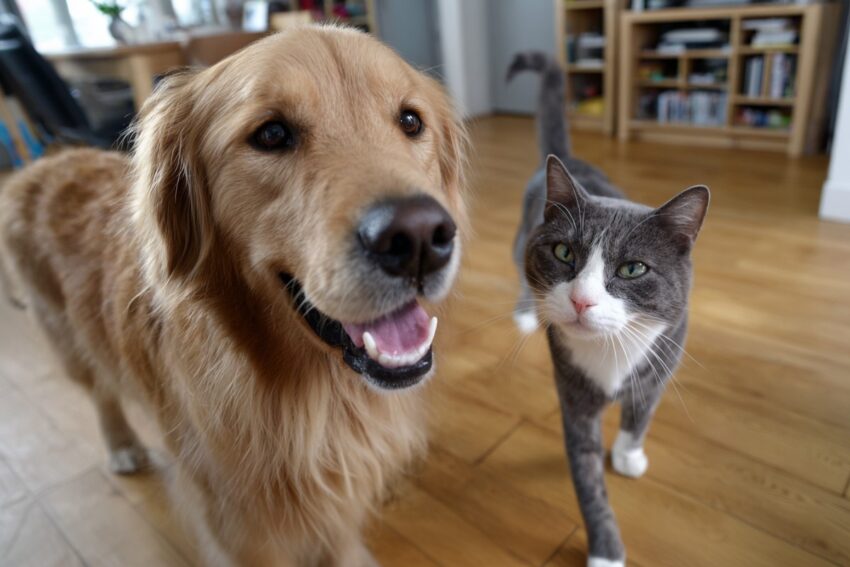
Absolutely—they can. While the phrase “fighting like cats and dogs” exists for a reason, many dogs and cats live together peacefully (and even become best friends). The key isn’t luck—it’s temperament compatibility, early socialization, and a slow, supervised introduction.
Some dogs are naturally more curious and gentle, while others have a stronger prey drive that makes them want to chase smaller animals. When you’re choosing a dog breed for a home with cats, look for traits like:
- Low prey drive – Breeds developed for companionship, not hunting or herding, tend to do best.
- Calm and adaptable nature – Dogs that don’t get overstimulated by sudden movement.
- Sociable disposition – Breeds bred to live closely with people (and sometimes other pets).
Pro Tip: Even the most cat-friendly breed can struggle if a dog isn’t properly socialized. Introduce them early, pair calm experiences with treats, and reward curiosity—not chasing.
By focusing on temperament first, you set the foundation for a friendship that can truly last. Now let’s look at the top 5 best dog breeds for cats and why they tend to make it work.
Top 5 Best Dog Breeds for Cats
Not every dog is naturally tuned to feline vibes, but some breeds have the perfect blend of patience, gentleness, and social smarts to make mixed-species living easy. Here are the five best dog breeds for cats, along with what makes them such great matches.
Golden Retriever — The Gentle Peacemaker
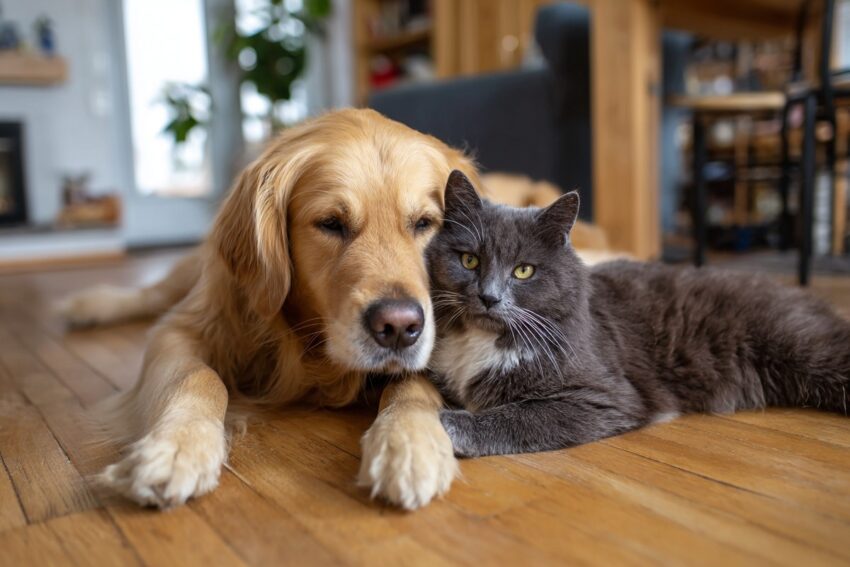
Golden Retrievers are famously friendly and unflappable. Their patient, tolerant personalities make them excellent companions for cats who might need time to warm up. Goldens usually prefer playtime to conflict and often take on a “big sibling” role in multi-pet homes.
Why they’re a great match:
- Naturally calm, non-aggressive energy
- Eager to please and easy to train
- Known for accepting other animals readily
Socialization tip: Start with supervised meetups and reward calm curiosity. Goldens respond beautifully to praise and positive reinforcement.
Best for: Families who want a loving, easygoing dog that blends seamlessly into a multi-pet home.
Cavalier King Charles Spaniel — The Sweet Companion
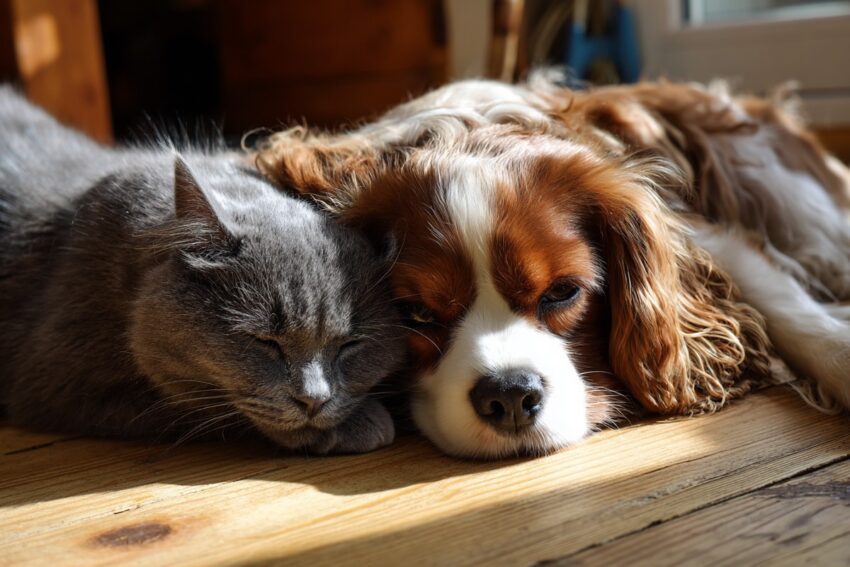
Cavaliers are tiny bundles of love that thrive on togetherness—whether that’s with humans, dogs, or cats. Their affectionate, gentle demeanor makes them one of the safest small breeds to pair with a feline.
Why they’re a great match:
- Quiet and adaptable nature
- Very low prey drive
- Happy to coexist rather than dominate
Socialization tip: Keep early interactions short and positive. Cavaliers pick up on tone easily—soft voices and calm energy go a long way.
Best for: Apartments or small spaces where pets share close quarters and emotional energy.
Poodle (Miniature or Standard) — The Smart Socializer
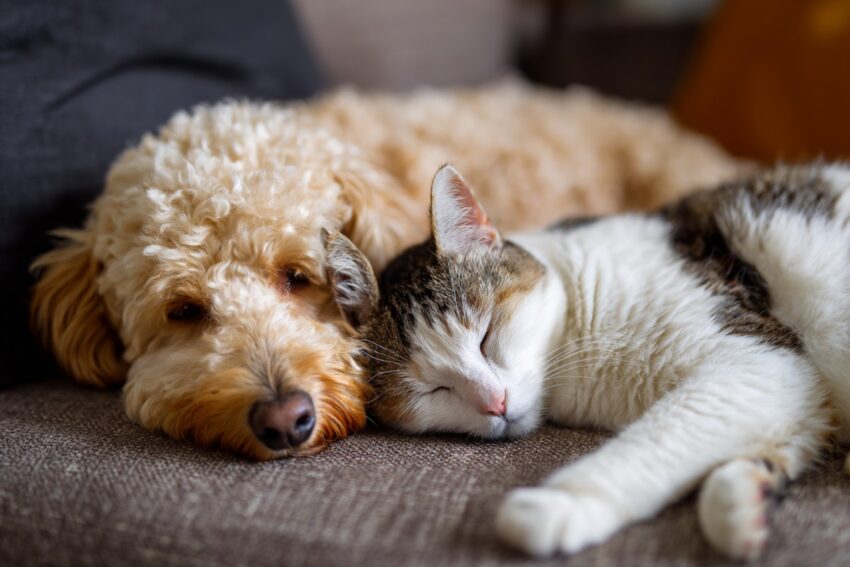
Poodles are brilliant problem solvers and quick learners, which makes them excellent at adapting to new housemates. They tend to be curious about cats rather than confrontational, especially when properly introduced.
Why they’re a great match:
- Intelligent enough to learn boundaries fast
- Low prey drive, especially in non-hunting lines
- Sociable, but respectful when trained properly
Socialization tip: Keep first meetings short and structured. Use “stay” and “leave it” commands early to reinforce respectful behavior.
Best for: Homes where the dog will receive ongoing training and enrichment.
Bichon Frise — The Cheerful Peacemaker

Bichons are small, sweet-natured, and adore companionship—of any kind. Their playful yet non-confrontational personality makes them ideal roommates for cats who enjoy friendly but respectful dogs.
Why they’re a great match:
- Gentle and sociable, not dominant
- Low prey drive, loves indoor life
- Thrives on positive attention and calm play
Socialization tip: Give your cat high perches or safe zones while your Bichon explores. This lets both pets learn each other’s rhythms safely.
Best for: Families or singles wanting a lighthearted, affectionate companion who adapts easily.
Labrador Retriever — The Reliable Best Friend
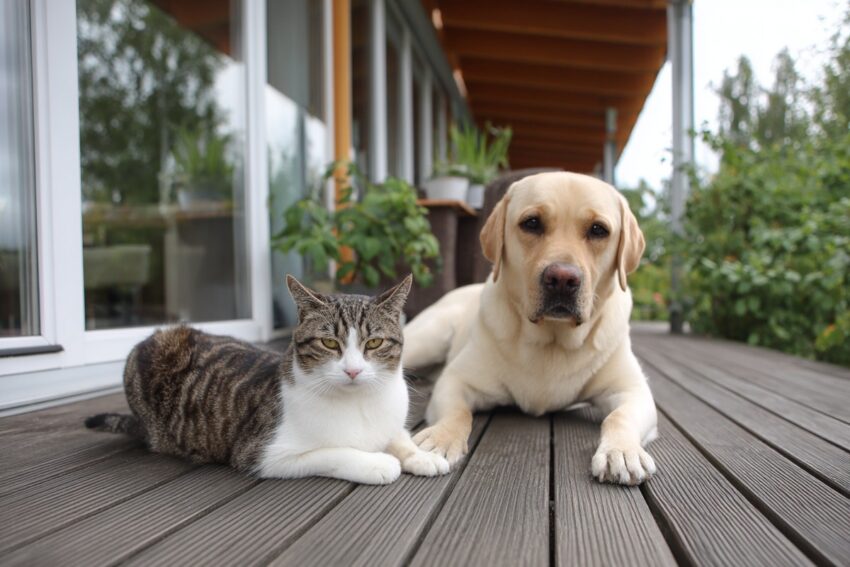
Labs are famous for being gentle giants with big hearts. Their laid-back attitude and love for companionship often extend to cats. Labs tend to mirror household energy—so if your cat is chill, they’ll be too.
Why they’re a great match:
- Tolerant and trainable
- Strong desire to bond and please
- Usually more curious than territorial
Socialization tip: Keep initial intros brief and leash-controlled. Once a Lab recognizes the cat as part of the family, they’ll likely become protective and calm around them.
Best for: Active families looking for a social, trainable dog that plays well with everyone (including cats).
Bonus Breeds That Also Tend to Be Cat-Friendly
While the breeds above are the most consistently cat-compatible, several others also do beautifully in multi-pet households—especially with good socialization and patience. Here are five more great options that deserve an honorable mention:
Maltese
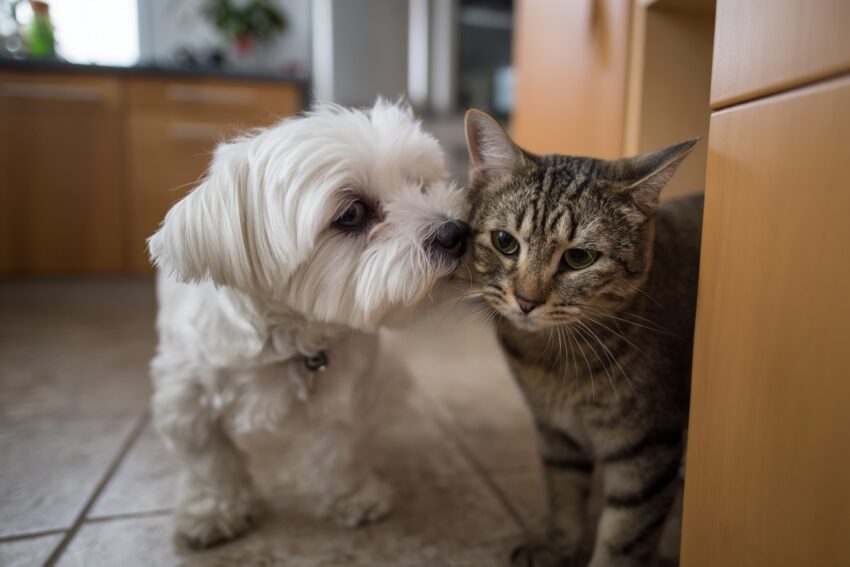
Sweet-natured and loyal, the Maltese prefers snuggling over chasing. Their gentle temperament and small size make them easy for most cats to accept.
Shetland Sheepdog (Sheltie)
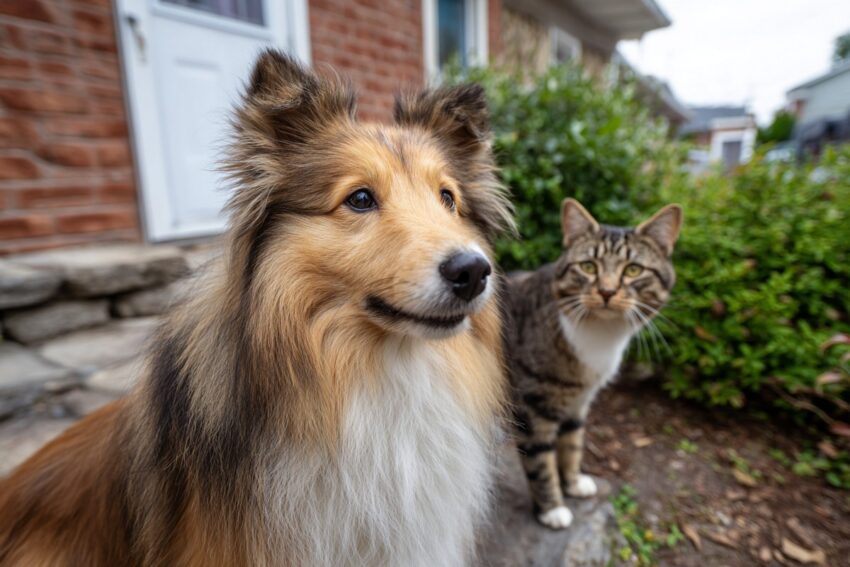
Despite their herding roots, Shelties can coexist peacefully with cats—especially when raised together. They’re intelligent, responsive, and eager to please, which helps them learn boundaries fast.
Boxer
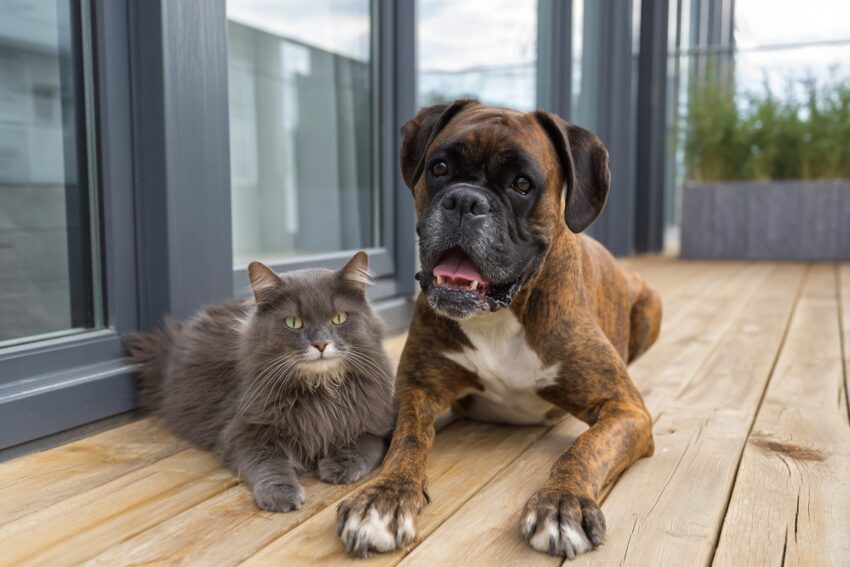
Boxers are playful and affectionate but can be high-energy. With good training and early introductions, they often form strong, protective bonds with feline siblings.
Papillon

Small but spirited, Papillons are surprisingly adaptable. They enjoy company and can be taught to respect a cat’s space, making them ideal for quieter households.
Cocker Spaniel

Gentle, sociable, and affectionate—Cockers are naturally friendly toward other animals. Their even temperament helps them get along with cats as long as playtime stays calm.
How to Introduce a Dog to a Cat the Right Way
Even the best dog breeds for cats can struggle if the introduction feels rushed or stressful. The goal is to build trust and calm curiosity, not fear or competition. Think of it as setting the stage for a long friendship—one calm sniff at a time.
Step 1: Set Up Safe Spaces
Before your pets even meet, give each their own territory. Use baby gates, closed doors, or crates to let them smell and hear each other without contact. This creates familiarity without pressure.
Step 2: Swap Scents
Exchange bedding or toys between them so each pet learns the other’s scent in a positive, neutral setting. Scent recognition helps lower tension when they finally see each other.
Step 3: Controlled First Meeting
When it’s time for a face-to-face, keep your dog on a leash and your cat free to retreat. Watch both pets’ body language—curiosity is good, tension or hissing means it’s time to pause.
Pro Tip: Keep early meetings short and end them on a good note. A calm “that’s enough” and a treat for both pets helps them associate each other with rewards, not stress.
Step 4: Increase Freedom Gradually
As both pets relax, lengthen their time together. Supervise until you’ve seen consistent calmness from both sides.
Step 5: Never Force It
Some pets take a few days to adjust—others take months. The timeline doesn’t matter as long as both feel safe.
⚠ Heads-up: If either pet shows ongoing fear or aggression, pause and consult a professional trainer or behaviorist. Pushing too fast can undo weeks of progress.
Socialization Tips for Dog-and-Cat Homes
Once your dog and cat have met peacefully, it’s time to focus on daily habits that keep harmony going. Good socialization is ongoing—it’s what helps both pets feel safe, confident, and emotionally balanced.
1. Start Early When Possible
Puppies and kittens adapt faster than adults, but it’s never too late to build trust. Just go slow, stay consistent, and reward calm, curious behavior from both sides.
2. Teach “Leave It” and “Stay”
These two commands are gold for multi-pet homes. They give you control during high-energy moments and help your dog understand boundaries around your cat.
Pro Tip: Practice with treats when your cat is nearby—but not within reach—to build self-control and respect.
3. Create Vertical Escape Zones
Cats feel safest when they can observe from above. Add cat trees, shelves, or perches where your cat can retreat if playtime gets too rowdy.
4. Respect Energy Differences
Dogs often want to play more than cats do. Give your dog enough exercise before they interact so they’re less bouncy and more chill around their feline friend.
5. Keep Reinforcing Calm Behavior
Praise your dog every time they walk past the cat without reacting. Over time, they’ll associate your cat with peace and rewards—not a chase.
Vet Tip: A sudden change in behavior—like a normally calm dog lunging at your cat—could signal anxiety, pain, or a medical issue. Always rule out health problems before assuming it’s “just attitude.”
Final Thoughts: Harmony Is Possible — With the Right Match
Building a peaceful, dog-and-cat household isn’t about finding perfection—it’s about finding compatibility and giving both pets time to adjust. The best dog breeds for cats share three traits: gentleness, adaptability, and good social skills.
When paired with a cat who feels safe and has her own space, these dogs often become loyal companions, protectors, and even cuddle buddies.
Pro Tip: Keep your expectations flexible. Some pairs will nap together in a week; others will take months just to coexist peacefully. What matters most is consistency, calm supervision, and positive reinforcement.
If you’re patient and intentional, your dog and cat can absolutely become a harmonious team. In fact, many pet parents say mixed-species friendships turn out to be some of the sweetest bonds in the house.