
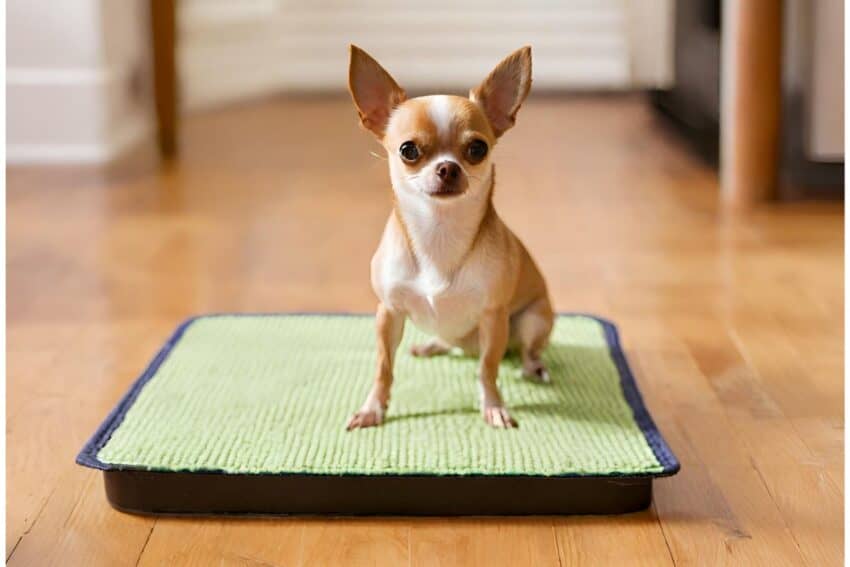
Living in an apartment doesn’t mean you’re stuck with a wild, rowdy pup bouncing off the walls. With a little creativity—and yes, even without a backyard—you can raise a wonderfully well-trained dog in a smaller space. Limited square footage? Close neighbors? Elevator potty breaks? Totally manageable with the right approach.
Below, you’ll find practical, real-life indoor dog training tips for apartment dwellers that make apartment living smoother for both you and your furry roommate.
Understanding Your Dog’s Needs
Before you jump into training, start with the foundation: know your dog. Every breed (and every individual dog) comes with its own personal recipe of exercise needs, mental stimulation levels, and social tendencies.
A Border Collie, for example, is practically programmed to run marathons in its sleep, while a Bulldog is more of a “slow stroll and a nap” kind of guy. When you match your training plan to your dog’s natural wiring, everything—from behavior to happiness—falls into place.
Creating a Dedicated Space for Your Dog
A designated “dog zone” does wonders for your pup’s sense of security and helps reduce unwanted behaviors before they even start. Think of it as their tiny studio apartment inside your apartment.
How to set it up:
- Choose a quiet corner: Pick a spot away from doors and busy walkways so your dog has a peaceful retreat.
- Make it cozy: Add a comfy bed, soft blankets, and favorite toys. Think “Pinterest-worthy” but dog-safe.
- Rotate toys regularly: Swap things out every few days so your dog feels like they’re getting a whole new playroom each week.
- Add calming elements: A lavender-scented bed or pheromone diffuser can help anxious pups feel more at ease.
- Keep it clean: Fresh bedding, sanitized bowls, and clutter-free floors help the space feel safe—and let’s be honest, nicer for you, too.
- Seasonal tweaks: Toasty bedding in winter, breathable fabrics and airflow in summer. Small changes make a big difference.
Basic Indoor Training Commands
Apartment training isn’t just about manners—it’s about safety. The basics (sit, stay, come, down) are essential life skills, especially in smaller spaces where distractions are everywhere.
Stick to positive reinforcement only: treats, toys, praise, happy voices. Never punishment, yelling, or outdated “pack leader/alpha” nonsense. Those methods are harmful and don’t make for a stable, confident dog.
If you’re new to training or just want backup, trainers like Zak George, Victoria Stilwell, and Karen Pryor offer excellent science-backed guidance.
Short, upbeat training sessions work best—think 5 minutes, a few times a day. Your dog will learn faster and stay enthusiastic.
Remember, consistency is key, and short, frequent training sessions tend to be more effective.
Potty Training in an Apartment
Potty training is… a journey. Especially when the “yard” is actually three hallways and an elevator away. But consistency makes it doable.
Try these apartment-friendly potty training strategies:
- Establish a routine: Take your dog out at the same times every day so their internal clock kicks in.
- Create an indoor backup option: Pee pads or indoor potty areas help during bad weather or emergency “must go now” moments.
- Use one outdoor bathroom spot: Dogs love consistency—make one area the spot.
- Reward instantly: Treat right after they finish outside. Timing is everything.
- Stick to scheduled meals: Predictable eating = predictable bathroom breaks.
- Know the signs: Circling, sniffing, door hovering—get outside ASAP when you see them.
- Limit water before bed: A small change that can prevent nighttime accidents.
- Clean accidents properly: Enzymatic cleaners erase the scent so your dog won’t reuse that spot.
Preventing Excessive Barking
Apartment walls are thin. Managing barking helps keep the peace—and keeps your neighbors from side-eyeing you in the lobby.
Here are smart strategies:
- Spot the triggers: If your dog barks at passersby, block their view or add frosted film to windows.
- Teach “quiet”: Let them bark briefly, say “quiet,” then redirect with a toy or treat. Reward the silence.
- Exercise daily: Tired dogs bark less—simple math.
- Provide mental stimulation: Bored dogs fill their downtime with barking. Puzzle toys and sniff games help.
- Reward quiet moments: Catch them not barking and celebrate it.
- Socialization matters: The more confident your dog becomes with people and other dogs, the less fear-based barking you’ll see.
- Create a calm environment: White noise machines work wonders.
- Call in help if needed: Trainers and behaviorists can customize solutions.
Should I just ignore their barking?
I often see a lot of advice saying “just ignore them until they stop.” In theory, this makes sense. The underlying idea is that by paying attention to your barking dog, you’re reinforcing the barking itself. You’re basically teaching Fido that if he wants something, he just needs to for it very loudly. So yes, in THEORY, ignoring the behavior and then rewarding him only when he’s quiet does make sense.
HOWEVER, in an apartment setting with thin walls, ignoring Fido’s barking is a surefire way to really tick off your neighbors. IF you decide to go this route, I strongly recommend looping those neighbors into your training plans. Tell them that you’re working on excessive barking issues and that sometimes you’ll need to let Fido “bark it out.” Apologize for the annoyance ahead of time and let them know that ultimately this will make everyone’s life much more peaceful.
Exercise and Mental Stimulation
A well-exercised dog is a polite dog—and you don’t need a backyard to make it happen. Mix up physical movement and brain work to keep your dog happy and balanced.
Try these ideas:
- Daily walks: Use this as enrichment time. New routes = new smells = a very satisfied dog.
- Interactive toys: Puzzle feeders, snuffle mats, treat-dispensing toys—chef’s kiss.
- Frequent training bursts: Teaching commands or tricks doubles as mental exercise.
- Inside play: Tug, fetch with soft toys, and gentle wrestling burn energy safely indoors.
- Hide and seek: Let them sniff out treats or toys hidden around the apartment.
- Schedule playdates: Socialization boosts confidence and burns energy.
- Rotate toys: Make toys feel “new” again without spending more money.
- Practice calm behaviors: Help your dog learn to settle—such an underrated skill.
- Take outdoor adventures: Dog parks, hikes, pet-friendly stores… variety is the spice of dog life.
You may also love: How to Exercise a Dog in an Apartment: Fun and Effective Indoor Dog Exercise Ideas
Socialization Strategies
Socialization helps prevent unwanted behaviors (fear, aggression, reactivity) and builds a confident, adaptable dog.
Here’s how to do it effectively:
- Start as early as possible: Once fully vaccinated, begin introducing them to new people and places.
- Visit dog-friendly locations: Stores, parks, outdoor events—slowly expand their world.
- Host puppy playdates: Make sure the visiting dogs are friendly and vaccinated.
- Sound exposure: Gradually introduce everyday noises like traffic or kids playing.
- Practice gentle handling: Touch paws, ears, and tails so vet visits aren’t traumatic.
- Reward friendly behavior: Treats + praise = “I love meeting new things!”
- Take group training classes: Obedience plus socialization in one.
Dealing with Separation Anxiety
Separation anxiety is especially tough in apartment settings because the crying, pacing, and barking don’t just affect you—your neighbors hear it too. But you can ease it with thoughtful strategies.
Try these:
- Gradual departures: Start with minutes, build up to hours.
- Leave something that smells like you: Clothing works surprisingly well.
- Provide interactive toys: Puzzles, treat feeders, lick mats—busy minds = calmer dogs.
- Stay low-key: No dramatic goodbyes or tearful reunions.
- Create a safe “home-alone” zone: Their crate or dedicated corner works perfectly.
- Add background noise: Soft TV or radio reduces lonely silence.
- Exercise before leaving: A tired dog is far more likely to nap than stress.
- Be patient: Anxiety reduction happens gradually, not overnight.
Consistency and Patience: Keys to Success
Training doesn’t happen in one weekend. Dogs learn at different speeds, and setbacks are totally normal. Stick with consistent commands, steady routines, and plenty of rewards. Celebrate the small wins—they add up fast.
Conclusion
Apartment training takes intention, flexibility, and a good sense of humor, but it’s absolutely achievable. When you understand your dog’s needs, rely on positive training methods, and keep consistent routines, you set your pup up for success in any space.
Incorporate these indoor dog training tips into your daily life and you’ll end up with a happier dog, a calmer home, and neighbors who won’t run for the stairs when they see you in the hallway.